
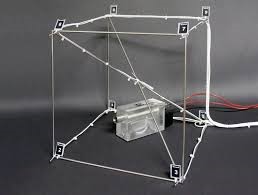
Chiller
What is Chiller? Chiller systems are used in hotels, restaurants, and other hospitality establishments to provide cooled water for various purposes, […]
What is Chiller? Chiller systems are used in hotels, restaurants, and other hospitality establishments to provide cooled water for various purposes, […]
Temperature sensors, the bedrock of precise temperature measurement, manifest in diverse forms and types. Sometimes, these sensors are referred to interchangeably; for instance, a temperature sensor is often synonymous with a thermocouple. At its core, a thermocouple, a prevalent type of temperature sensor, consists of two distinct metals conjoined at one end. Let’s delve deeper into the realm of temperature sensors, focusing on the versatile thermocouple and its significance in temperature measurement methodologies.
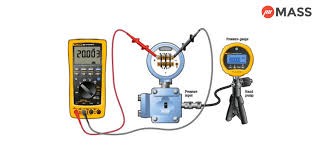
A differential pressure transmitter is an instrument that can consistently and accurately create a pressure drop in a pipe and then use the pressure measurement on either side to provide the rate of flow within the pipe
A pressure transmitter is a mechanical device that measures the expansive force of a liquid or gaseous sample. Also known as a pressure transducer, this type of sensor is typically composed of a pressure sensitive surface area made of steel, silicon, or other materials depending upon the analyte’s composition.
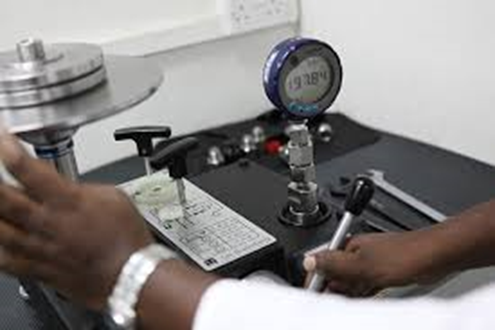
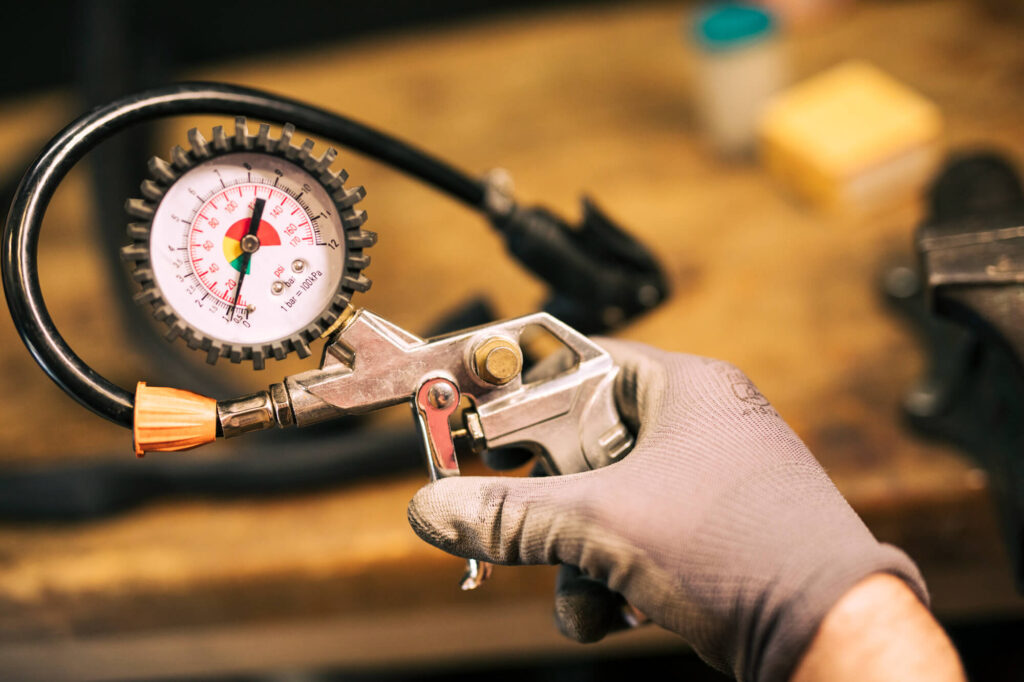
The term pressure gauge usually refers to a self-contained indicator that converts the detected process pressure into the mechanical motion of a pointer.
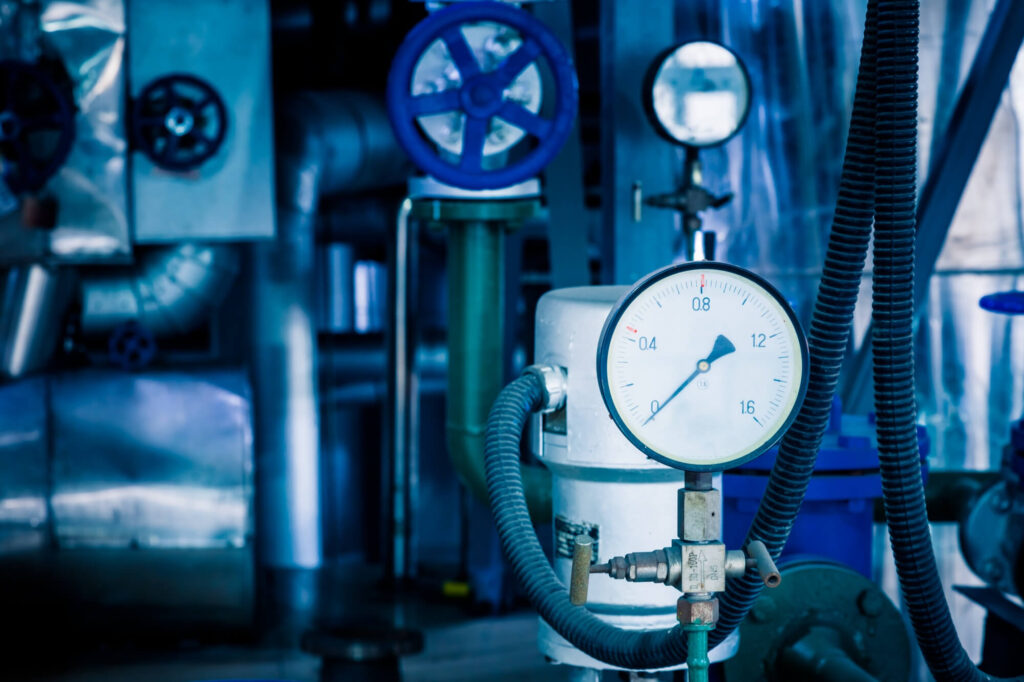
The amount of force exerted on a surface per unit area is defined as ‘Pressure’. It can also be defined as the ratio of the force to the area (over which the force is acting).
Calibration is the process of configuring an instrument to provide a result for a sample within an acceptable range. Eliminating or minimizing factors that cause inaccurate measurements is a fundamental aspect of instrumentation design.

ISO/IEC 17025 is the international standard for testing and calibration laboratories. It sets out requirements for the competence, impartiality, and consistent operation of laboratories, ensuring the accuracy and reliability of their testing and calibration results.